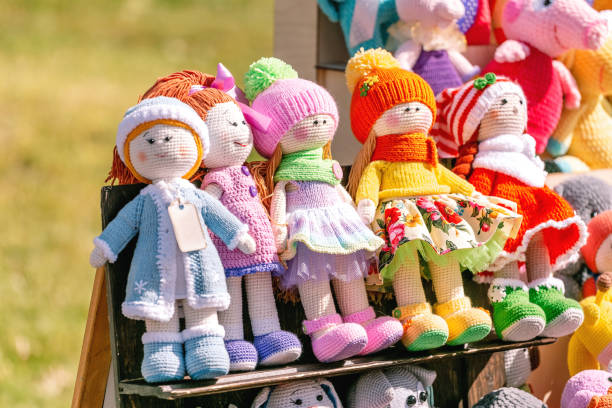
Dolls have been a part of human culture for thousands of years, serving as more than just toys. They have entertained, educated, and inspired children, while also reflecting the values, art, and technology of their times. From simple handmade figures to highly detailed modern collectibles, dolls have evolved alongside humanity, offering a fascinating glimpse into history and society.
The earliest dolls were made from materials that were readily available, such as clay, wood, bone, or stone. Archaeologists have discovered doll-like figures dating back to ancient civilizations, including Egypt, Greece, and Rome. In these cultures, dolls were often used in religious ceremonies or as educational tools. For instance, Egyptian children played with wooden dolls, some with movable limbs, while dolls in ancient Greece were used to teach young girls about household responsibilities and social roles. Even in their simplicity, these early dolls reflected the creativity and ingenuity of their makers.
During the Middle Ages, dolls continued to evolve, but their purpose shifted slightly. While children still played with dolls, they also became symbolic objects in many European societies. Handmade dolls were often crafted from cloth or wood and dressed in miniature versions of the fashions worn by adults. These dolls not only provided entertainment but also introduced children to social norms and etiquette. Wealthy families often commissioned elaborately dressed dolls, which served as status symbols and sometimes as educational tools for young girls learning domestic skills.
The 18th and 19th centuries marked a significant turning point in the history of dolls. The industrial revolution made mass production possible, and dolls became more widely available. Porcelain and bisque dolls emerged as highly sought-after collectibles, especially in Europe. French and German doll makers, such as Jumeau and Kestner, became renowned for their craftsmanship, creating lifelike dolls with expressive faces, glass eyes, and intricate clothing. These dolls were not just toys; they were works of art, often displayed as much for their beauty as for play.
As the 20th century arrived, materials and manufacturing methods changed once again. Plastic and vinyl became the primary materials, making dolls more durable, affordable, and accessible to a broader audience. Iconic dolls like Barbie, introduced in 1959, revolutionized the industry, creating a new era of fashion dolls that allowed children to explore imagination, storytelling, and personal identity. Other dolls, such as action figures and soft plush toys, also gained popularity, reflecting changing social trends and entertainment preferences.
Today, dolls occupy a unique space as both toys and collectibles. Modern doll enthusiasts range from children enjoying imaginative play to adult collectors appreciating artistry and rarity. Limited-edition dolls, hand-painted figurines, and historical reproductions are highly prized in collector communities worldwide. Dolls now celebrate diverse cultures, professions, and appearances, reflecting a more inclusive and global perspective. Beyond entertainment, they also serve as historical artifacts, cultural symbols, and artistic creations.
The history of dolls also highlights how deeply they are connected to human emotion and memory. Many people recall their first doll as a beloved companion, a confidant, or a tool for creative storytelling. For collectors, dolls evoke nostalgia and appreciation for craftsmanship and cultural history. Museums around the world now showcase historic dolls, preserving these tiny windows into the past for future generations to admire.
In essence, dolls are more than just toys — they are mirrors of society, culture, and creativity. From the clay and wooden figures of ancient civilizations to the modern collectible dolls we cherish today, their evolution tells a story of innovation, artistry, and human imagination. Whether as a plaything, a work of art, or a collectible treasure, dolls continue to captivate people of all ages, proving that these timeless companions will remain relevant for generations to come.