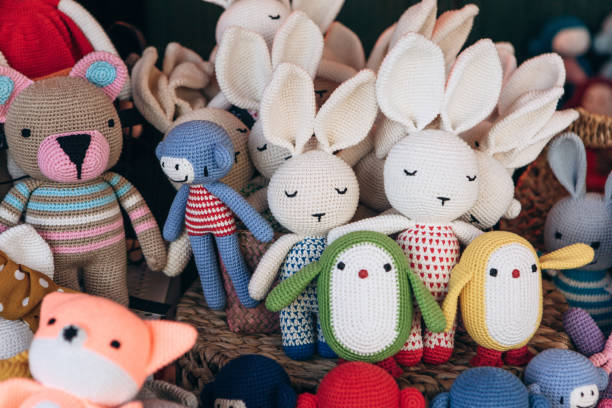
Dolls are much more than childhood toys. Across the globe, they carry deep cultural significance, reflect traditions, and often serve as symbols of identity, spirituality, and history. While some dolls are meant for play, others have ceremonial, educational, or symbolic purposes. Exploring dolls from different cultures provides a fascinating glimpse into the values, beliefs, and artistry of communities worldwide.
In Japan, dolls play a central role in traditional festivals. The most famous are Hina dolls, displayed during Hina Matsuri, or Girls’ Day, celebrated each March. Families display elaborately dressed dolls representing the emperor, empress, and their court, often passed down through generations. Hina dolls are not just decorative; they are believed to protect girls from misfortune and promote their health and happiness. Another Japanese tradition is Daruma dolls, which symbolize perseverance and good luck. These brightly coloured, round dolls are used in goal-setting, with one eye painted when a wish is made and the other upon its fulfillment.
In Russia, Matryoshka dolls, also known as nesting dolls, are iconic cultural symbols. These wooden dolls contain smaller dolls inside, each decreasing in size. Matryoshka dolls are often painted to represent families, folklore characters, or historical figures. They symbolize family, fertility, and continuity, as well as the layers of identity within each individual. Over time, they have become beloved collectibles and a representation of Russian craftsmanship worldwide.
In Africa, dolls often carry spiritual or educational significance. For example, Ashanti fertility dolls from Ghana are traditionally given to young women to encourage fertility and safe childbirth. These dolls are intricately carved and dressed, often incorporating beads and symbolic patterns. Similarly, some West African cultures use dolls to teach children about social roles and cultural values, helping them understand responsibilities and community life from a young age.
In Latin America, dolls also serve both play and symbolic purposes. Guatemalan worry dolls, for example, are tiny handmade figures that children confide their worries to before placing them under their pillow at night. According to tradition, the dolls take on the problems while the child sleeps, providing comfort and peace of mind. In Mexico, elaborately dressed dolls like the Michoacán dolls showcase local costume traditions and artistry, celebrating cultural heritage while also serving as treasured keepsakes.
In Europe, dolls have historically been both toys and symbols of social status. In Victorian England, for instance, dolls were often crafted to resemble real people, complete with detailed clothing and accessories. They were used to teach young girls about etiquette, fashion, and domestic skills. In Germany, porcelain dolls like those made by Kestner or Armand Marseille became highly prized collectibles, blending artistry with education and reflecting the craftsmanship of the era.
Across cultures, dolls serve as storytellers. They carry the artistic expressions, beliefs, and traditions of their makers. They can commemorate family, celebrate milestones, protect individuals from harm, or teach moral lessons. The materials and designs used — from wood, clay, and cloth to porcelain and modern polymers — reflect available resources, technological advancements, and aesthetic priorities of the community.
Modern dolls continue to honour these traditions while embracing diversity and inclusivity. Collectors and enthusiasts now celebrate dolls from around the world, preserving cultural heritage and sharing stories across borders. Museums, festivals, and exhibitions highlight the artistry and significance of dolls, emphasizing that these small figures are not merely toys but cultural treasures.
In essence, dolls around the world are windows into human culture. They tell stories of family, spirituality, art, and social values. While their forms and purposes may differ, the symbolic and emotional connections they inspire remain universal. From Japanese Hina dolls to Russian Matryoshkas, African fertility figures to Guatemalan worry dolls, each doll carries a unique narrative that enriches our understanding of the world. Exploring these traditions reminds us that dolls are timeless expressions of creativity, care, and cultural identity, cherished across generations and continents.